
Cycling holidays in Veneto & Venice Area
 Bike Hotels4
 Routes8
 SeasonApr-Oct
Veneto is a region rich in diverse landscapes, perfect to explore by bike: gentle hills, neat vineyards, historic villages and art cities create an ideal setting for those who love cycling in all its forms. From the area of Bassano del Grappa, with its…
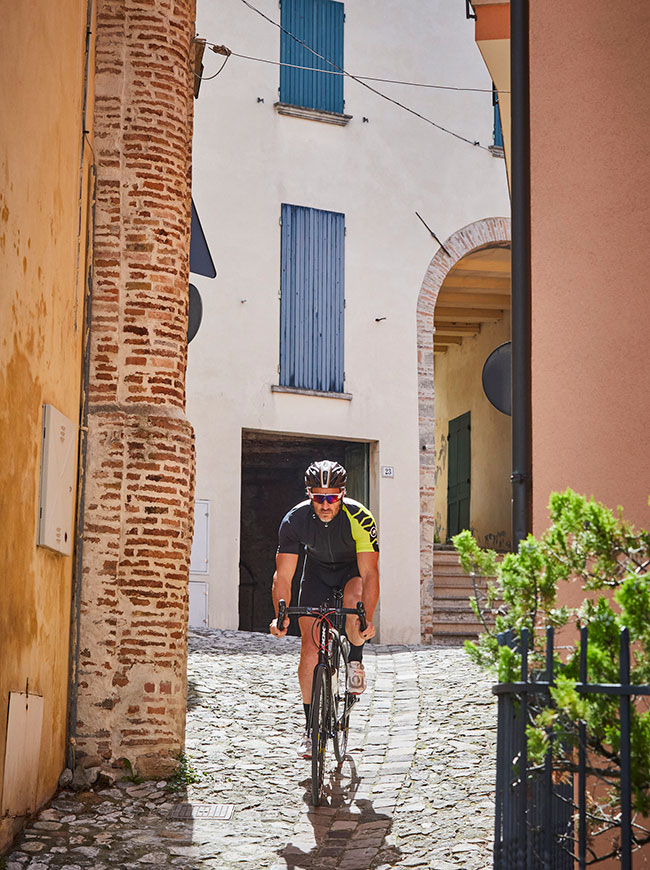
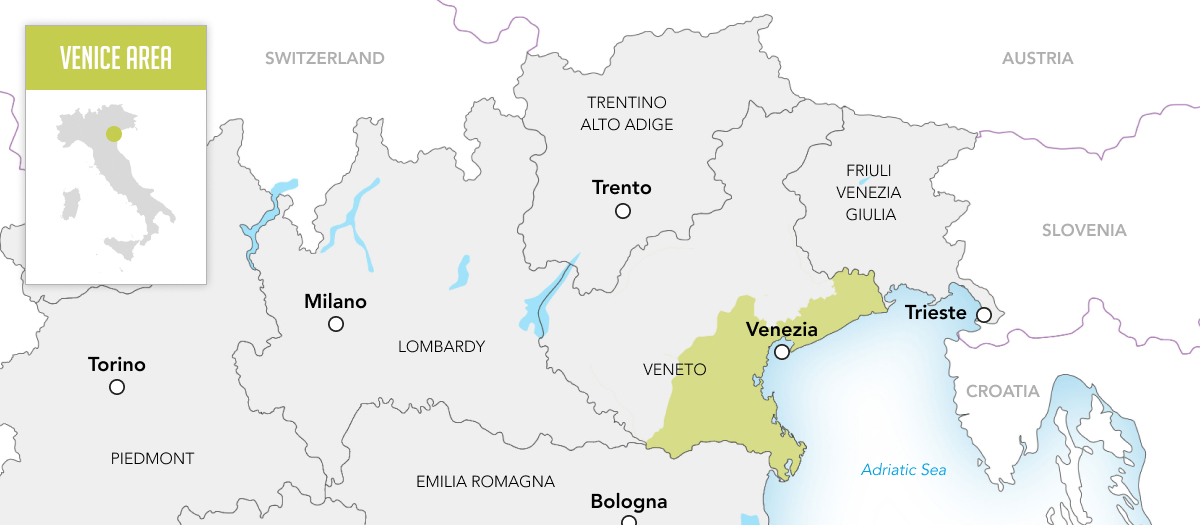
Veneto is a region rich in diverse landscapes, perfect to explore by bike: gentle hills, neat vineyards, historic villages and art cities create an ideal setting for those who love cycling in all its forms. From the area of Bassano del Grappa, with its iconic Ponte Vecchio and the routes of the Pedemontana Veneta, to the green panoramas of the Euganean Hills, every route offers a perfect balance of nature, culture and tradition. All the way to the coast with Bibione, Jesolo, Caorle and naturally the stunning Venice, a UNESCO World Heritage Site.
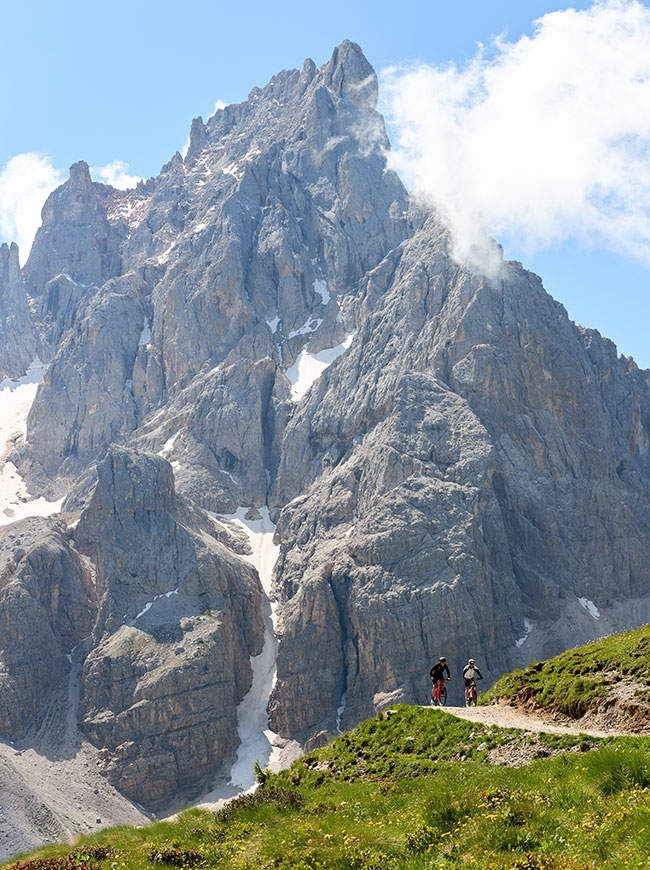
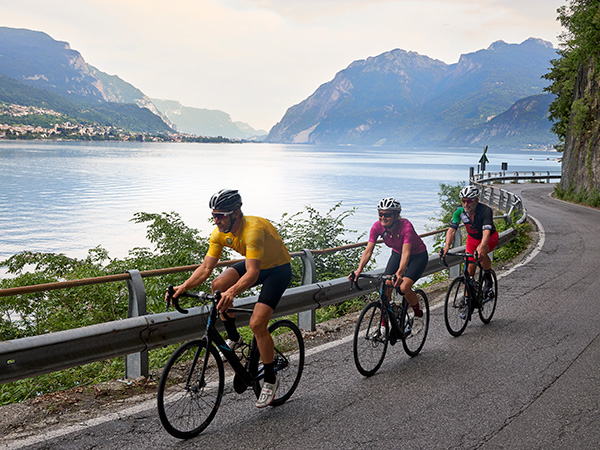
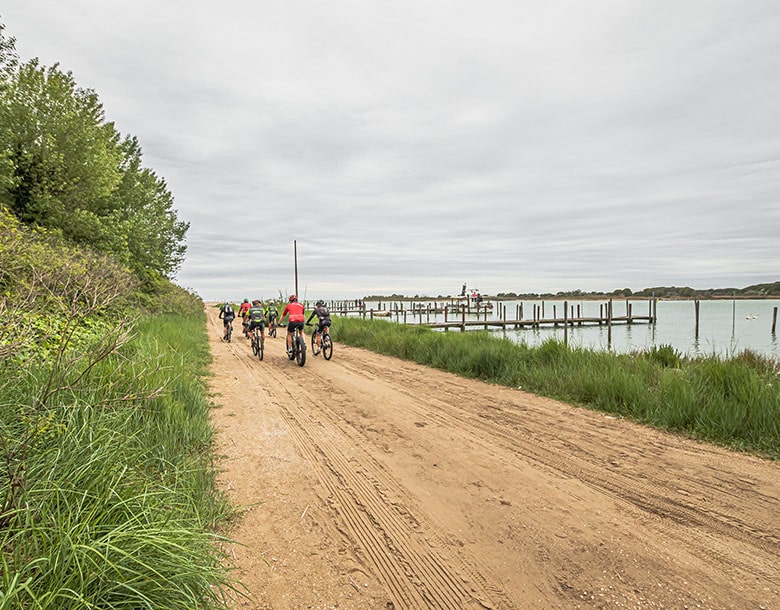
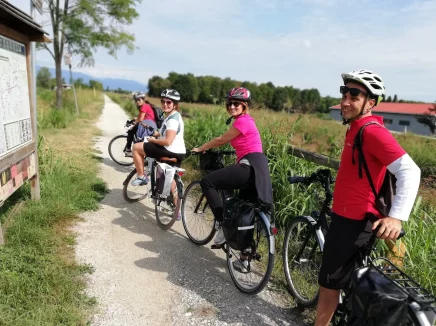
The region is crossed by a network of cycle paths and routes that allow you to experience cycling in many different ways: from demanding climbs for road bikes to wooded trails for MTB, from long gravel roads perfect for gravel lovers to flat routes ideal for e bikes and slow cycle touring. Among the most appreciated experiences is the Brenta Cycle Path, which follows the river linking Bassano del Grappa to Trento through villages, Venetian villas and river landscapes of extraordinary beauty. Tours between Padua, the Euganean Hills Park and the hilly area between Marostica and Asiago are ideal both for training and for discovering the territory in a slow way. Routes range from short rides of 20 to 30 km up to routes over 100 km, perfect for those who want to explore several areas in a single outing.
Veneto is also a region that lives cycling all year round thanks to events that have become reference points for enthusiasts: Veneto Trail and Veneto Gravel attract cyclists from all over Europe, confirming the territory’s vocation for bikepacking, gravel riding and the slow discovery of the Destination Veneto and Venice Area landscape.
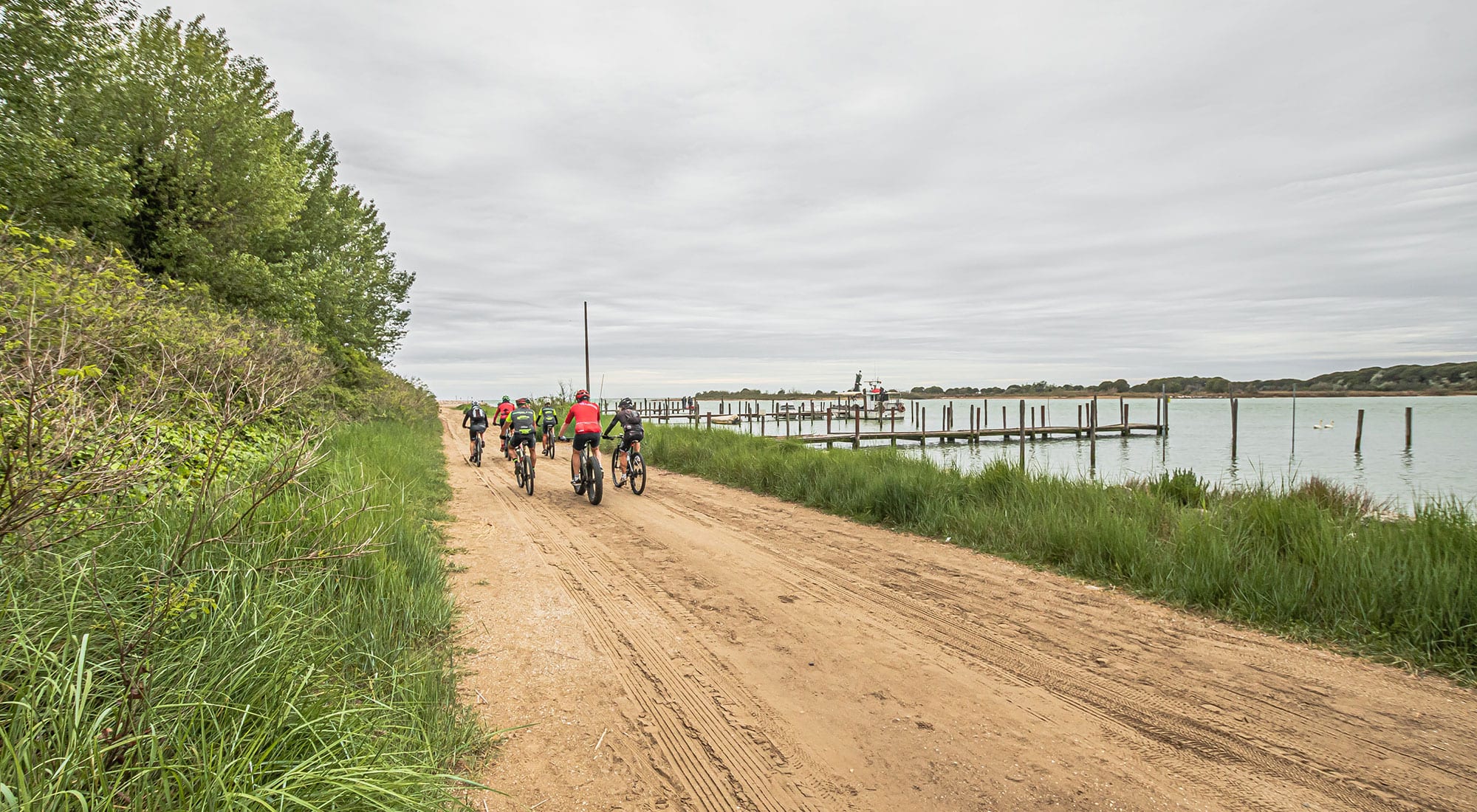
Heading down towards the coast, Veneto opens up to the light of the sea and the unique landscapes of the Venetian lagoon. The destinations of Bibione, Jesolo, Caorle and the Serenissima Venice reveal another soul of the region: the Italy of bell towers, seaside villages and waterways, a treasure chest of beauty to explore at a relaxed pace. Here routes follow rivers, canals and panoramic embankments, including the famous Gira Tagliamento, perfect for combining sea, nature and sport.
A cycling holiday between Veneto and the Venice Area means bringing together hills, lagoon, villages and seafront cycle paths in one single experience. The mild climate of spring and autumn makes these territories perfect for training, for riding without haste and for those seeking a regenerating break between sport, culture and relaxation.
Food
Spaghetti al nero di seppia
A dish originating from the humble traditions of fishermen in some of the coastal areas, and which in the Venetian tradition is also served with grilled polenta. In the Venice lagoon, nero di seppia, or cuttlefish ink, has been used to season the diced cuttlefish since ancient times.
Moscardini (little squids)
Moscardini are a real delicacy in Venetian cuisine and can be enjoyed either hot or cold. Unlike octopus, the moscardino has only one row of suckers per tentacle.
Pasta e fasoi (Pasta and bean soup)
Soup prepared with beans that have been cooked and puréed. Tagliatelle are added to the simmering pot and the soup is served with a piece of lard, pepper, grated Grana Padano cheese and olive oil.
Gran bollito alla padovana (Mixed boiled meat)
The fundamental ingredient is cotechino. This boiled meat dish also includes corned tongue, calf’s head and chicken meat, served with horseradish, salsa verde, mostarda and salt.
Conegliano-Valdobbiadene DOCG
A fresh and elegant wine known throughout the world for its versatility. Excellent pairings include gastronomic delicacies from Venice Area, modern cuisine, and precious produce from the land such as Treviso Radicchio, White Asparagus, and local cheeses such as Morlacco and Imbriago.
“Bollito” with “Pearà” sauce
Beef accompanied by a sauce prepared with breadcrumbs, cheese, marrow, broth and black pepper.
“Sbrisolona Veronese”
The name derives from “brisé” (crumbs), as to serve a slice of this cake it is necessary to give the centre a small tap with your fist and the large crumbs that break off become the portions. This typical dessert goes well with a glass of Recioto di Soave or Valpolicella wine.
History & Culture
Bibione, in Venice province, and the whole Portogruaro area, boast much evidence of “La Repubblica Serenissima”, as well as their Roman, Mediaeval and Renaissance past. Itineraries here enable you to explore Christian culture and history via museums and ancient churches.
Bibione also hosts a natural oasis of great interest, a dense pine forest populated by various animal and plant species.
Not far from Bibione stands one of the most famous and beautiful cities of art in the world: Venice. Picturesque with its calli (narrow pedestrian laneways) and canals traversed by characteristic gondolas, the city is also a place of immeasurable culture, which together with its lagoon, constitute a Unesco World Heritage Site. Among the works of art and monuments to be seen are Saint Mark’s Square – the heart of the city centre – with the basilica of the same name, Palazzo Ducale and the synagogues of the ghetto.
Prosecco Area refers to the provinces of the Veneto (excluding Rovigo and Verona) and all of the provinces in the Friuli-Venezia Giulia region in which two DOCGs are produced: Prosecco di Conegliano-Valdobbiadene and Colli Asolani-Prosecco.
Prosecco achieved fame in the nineties, but it was in the early sixteenth century that the need arose to distinguish Ribolla Triestina from other wines of the same name that were produced in the Gorizia area, and from the lower costs in Istria. At the end of the century, therefore, there was a change to the appellation, but more importantly, also to the precise geographic characterisation suggested by the identification of the place of production of antiquity: castellum nobile vino Pucinum changed to Castello di Prosecco (Prosecco Castle), near the locality of Prosecco.
Lessinia and the Little Dolomites are a mountainous region in Veneto, north of Verona. The area boasts ancient origins and is particularly known for the presence of fossils. One of the most popular attractions in the area, the Lessinia Regional Natural Park, extends for 10,000 hectares on the upper plateau of the Lessini Mountains up the slopes of the Little Dolomites, at altitudes between 1,200 and 1,800 m. It is here in this region that the Cimbri (a Germanic tribe) settled during the 2nd century AD.
Bike hotels in Veneto & Venice Area
 8.5 / 10
 4 / 5
4 / 5
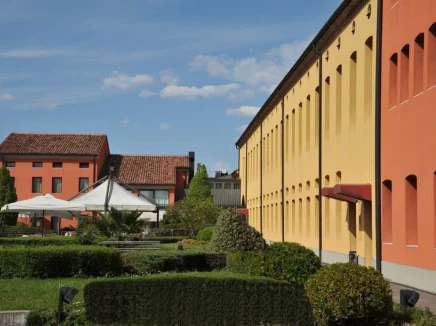
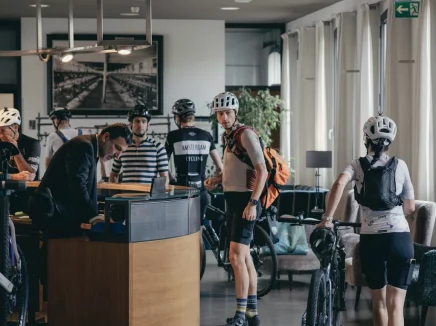
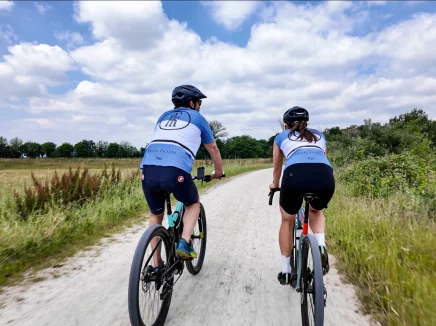
Cittadella, Veneto & Venice Area
Annual
8.6 / 104 / 5
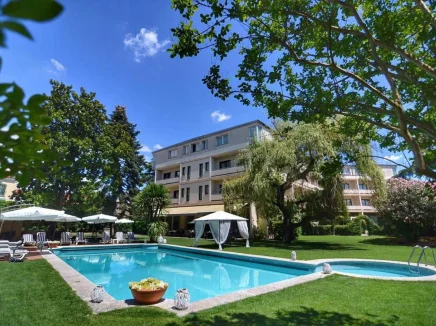
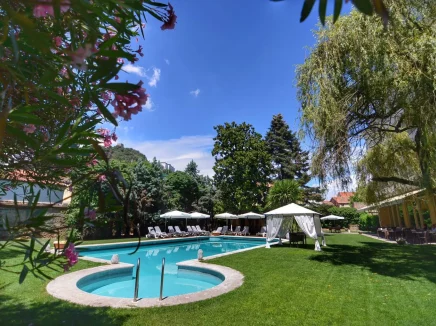
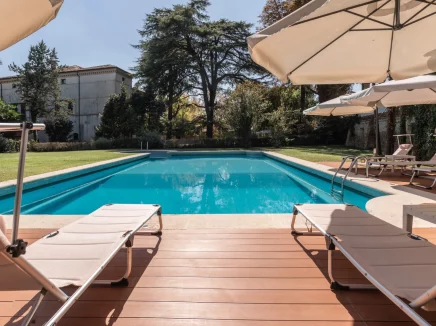
Monselice, Veneto & Venice Area
Annual
9 / 104.5 / 5
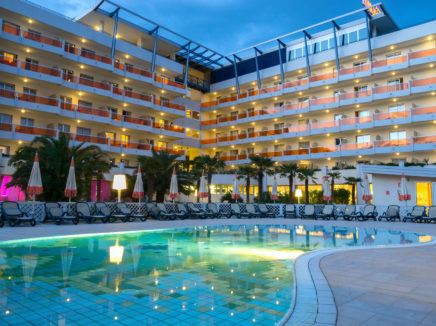
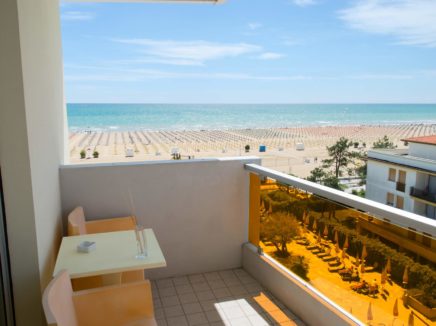
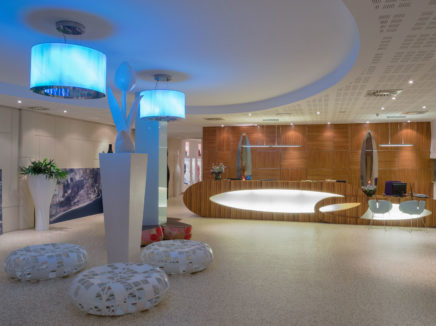
Bibione, Veneto & Venice Area
Open from 16.04.26 to 02.11.26
8.7 / 104 / 5
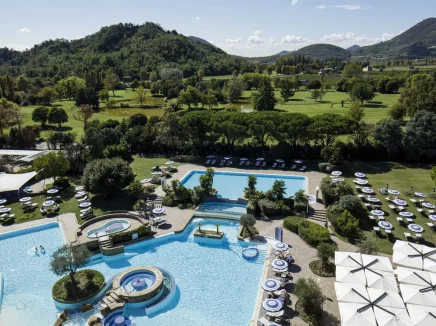
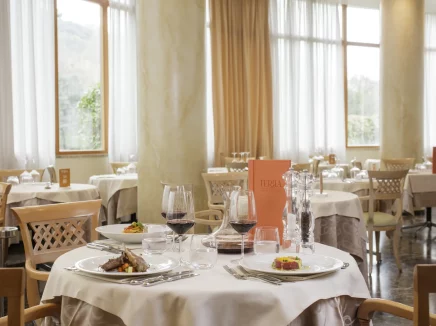
Galzignano Terme, Veneto & Venice Area
Annual